Skip to content

Why Nuclear Matters

There are countless reasons to advocate for nuclear energy… here are just a few to get you started. Explore each benefit to see how they underscore nuclear energy’s role in shaping a more reliable and innovative future.

Security

Currently, the U.S. leads the world with the largest nuclear fleet.

Nuclear power increases America’s energy independence from foreign sources, making the U.S. less vulnerable to global energy supply shocks. Currently, the U.S. leads the world with the largest nuclear fleet, but countries like China and Russia are investing to compete. We must continue to invest in existing and next-generation nuclear technologies to fortify America’s global energy leadership and lock in the advantages of a secure and dependable clean energy grid for years to come.

Security at work

Reliability

Operating 24/7, rain or shine.

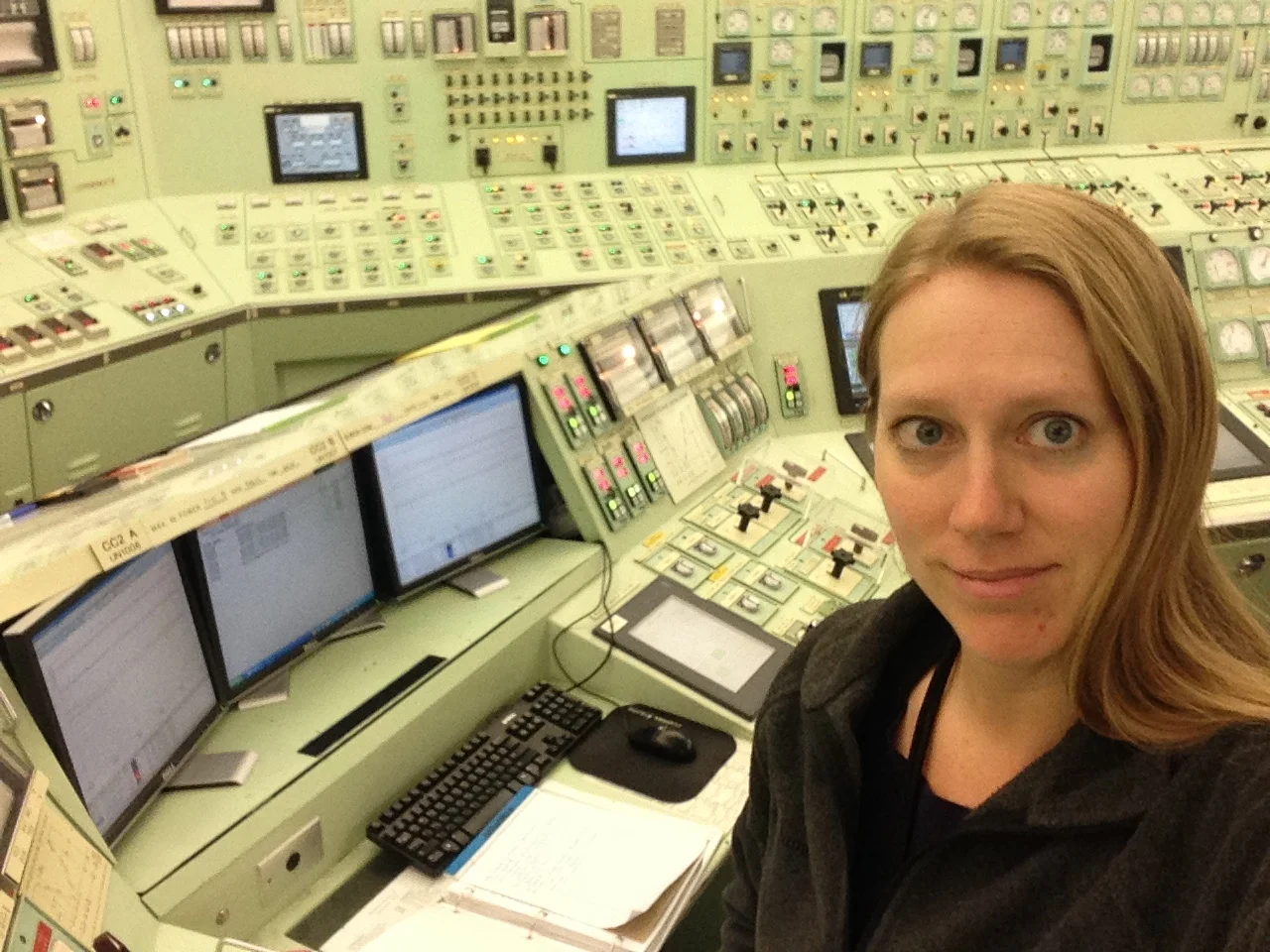
Nuclear energy provides reliable power to homes and communities, operating 24/7, rain or shine. Designed to withstand extreme weather and natural disasters, the average nuclear reactor operates at 93% capacity, ensuring a stable electricity supply even when other energy sources falter. This resilience helps reduce the risk of brownouts or blackouts.

As a homegrown source of more than 17% of the nation’s total electricity, nuclear power is necessary to our energy portfolio. Existing reactors can operate continuously for 18 to 24 months between refueling, while advanced designs may run for up to 20 years, further enhancing their reliability and long-term value.

Reliability at work

Climate

Nuclear produces over 41% of our nation’s clean power — more than all the other sources combined — and it does so without emitting any carbon dioxide.

Nuclear energy is a critical part of meeting America’s climate and clean energy goals. Nuclear produces over 41% of our nation’s clean power — more than all the other sources combined — and it does so without emitting any carbon dioxide.

Every year, nuclear-generated electricity saves our atmosphere from more than 447 million metric tons of carbon dioxide emissions that would otherwise likely come from fossil fuels. That’s the equivalent of taking approximately 105 million passenger vehicles off the road. Existing nuclear reactors make a big impact with a small land footprint, and advanced nuclear technologies can help decarbonize our economy even further, including through industrial heat and other manufacturing applications.

Climate at work

Jobs

Nuclear plants contribute $64 billion annually to America’s GDP.

Nuclear plants contribute $64 billion annually to America’s GDP.

Nuclear plants are economic engines for our country. Supporting about 250,000 jobs across the nation, they provide hard-working Americans with well-paying, long-term employment and generate billions of dollars in economic activity through taxes and direct and secondary spending — contributing $64 billion annually to America’s GDP. These plants are often the lifeblood of the small communities where they operate, with each plant contributing an average of $95 million in state and local taxes, providing much-needed funding for schools, roads and infrastructure projects.

Jobs at work

Innovation

Continued investments in innovation are essential for realizing the benefits of new nuclear and ensuring America’s global leadership in nuclear technology.

The nuclear power industry is constantly innovating to bring the latest, safest and most efficient energy technologies to our electricity grid. Advanced nuclear reactors are next-generation designs expected to deploy within the next decade, bringing new benefits around flexibility, cost, safety and fuel efficiency. While other renewable energy sources and current nuclear reactors cannot reach the temperatures needed to produce industrial heat and hydrogen, several next-generation reactors have the potential to replace fossil fuels for this and other purposes, such as desalination and used-fuel recycling.

Developments toward micro-reactors and small modular reactors (SMRs) offer the opportunity for community-based, scalable energy generation. Continued investments in innovation are essential for realizing the benefits of new nuclear and ensuring America’s global leadership in nuclear technology.

Innovation at work

Safety

All the used fuel from 65 years of U.S. nuclear operations could fit inside a single large distribution warehouse.

The safe operation of America’s nuclear plants is the industry’s top priority, with no other energy source as heavily regulated. Nuclear facilities are supported by highly trained personnel, continuous radiation monitoring, daily oversight from U.S. Nuclear Regulatory Commission (NRC) experts and rigorous preventative maintenance.

Used nuclear fuel, consisting of small uranium pellets about the size of a gummy bear, is safely stored on-site in fortified water basins or airtight canisters designed to withstand extreme weather and remain secure indefinitely. The amount of waste generated is minimal. All the used fuel from 65 years of U.S. nuclear operations could fit inside a single large distribution warehouse.

Studies by the National Cancer Institute and the United Nations Scientific Committee on the Effects of Atomic Radiation confirm that U.S. nuclear plants have no negative health impacts on surrounding communities. The industry remains committed to ensuring the continued safe operation of nuclear plants nationwide.

Safety at work